
The Federal Reserve has shown its independence by raising interest rates, but tackling inflation also lies with government policy.
- The decision to raise rates a quarter point was unanimous from the Open Market Committee
- Long-dated bond yields came down marginally
- The forecast is now for one or two more rises before the end of the year
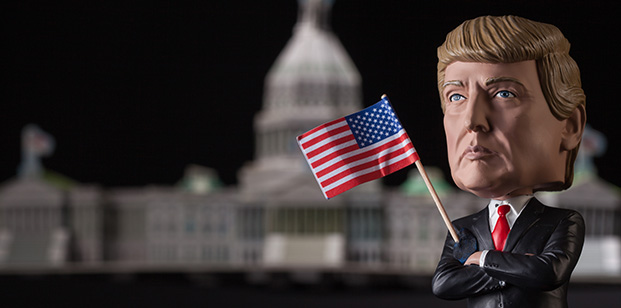
Fed chair Kevin Warsh has reclaimed credibility by raising interest rates. In doing so, he faced ongoing pressure from Donald Trump who believes they should be 1%. The Federal Reserve hinted that more rises may be in the mix, as inflation remains persistent. It is a welcome commitment from the central bank, but changing the fundamentals on inflation lies with the President.
The decision to raise rates a quarter point was unanimous from the Federal Open Market Committee. It was the first increase since 2023 and a clear signal that the central bank remains serious in responding to inflationary pressures. Like Fed chairmen before him, Warsh had to decide between his legacy and doing the President’s bidding and chose not to be condemned by posterity as the Fed governor that let inflation run riot.
Bond yields, which had been wobbly in the run-up to the decision, appeared to stabilise. Long-dated bond yields came down marginally. A little central bank credibility goes a long way, and bond markets’ response suggests they may have been more worried about Federal Reserve independence than they were letting on.
Looking forward, the forecast is now for one or two more rises before the end of the year, followed by a pause. Jon Butcher, senior US economist at Aberdeen, says: “We expect a pause to assess until well into 2027. By next year, underlying wage, rent and tariff dynamics, and potentially a fall back in oil prices, should allow inflation to moderate making a prolonged (rising) cycle unnecessary.”
He says the bar for a longer tightening cycle is higher, requiring inflation to spread beyond energy and tariff-exposed sectors. However, that does mean it is in Donald Trump’s hands to tame it. If he escalates the war in Iran, or continues to impose tariffs on any country that displeases him, higher rates could follow. Losses in the midterms aren’t likely to weaken his resolve, and may even prompt some lashing out.
For investors nervously watching bond markets, they have the reassurance that US central bank credibility appears to be intact and there is a commitment to fighting inflation. However, they also have the ongoing worry that interest rates are only one tool, and it is not in the Fed’s gift to depress the oil price or prevent further tariffs. For that, investors need to trust in the wayward President.