

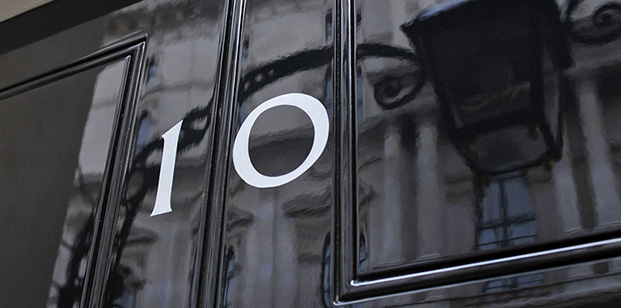
November proved to be a month of two halves for the UK: first, the run-up to the Budget, and then the fallout from the Budget. Amid hopes of a forthcoming cut in interest rates, the FTSE 100 Index flirted with the 10,000-point level during the month, but eventually subsided, dampened by Budget-related jitters.
- The Cash ISA allowance was cut to £12,000 from April 2027
- GDP growth slowed to 0.1% in Q3
- The Bank of England left UK rates unchanged at 4%
A month of two halves: November proved to be a month of two halves for the UK: first, the run-up to the Budget, and then the fallout from the Budget. Amid hopes of a forthcoming cut in interest rates, the FTSE 100 Index flirted with the 10,000-point level during the month, but eventually subsided, dampened by Budget-related jitters. Alongside the FTSE 250 Index , the blue-chip index eventually ended November broadly unchanged.
“Rachel Reeves’ tax-raising measures will send the tax take to ‘an all-time high of 38% of GDP in 2030-31‘”
Budget measures: the government’s Budget froze income tax and National Insurance thresholds until 2030-31 – a move that will take more people into higher tax brackets over time. According to the Office for Budget Responsibility (OBR), Chancellor of the Exchequer Rachel Reeves’ tax-raising measures will send the tax take to “an all-time high of 38% of GDP in 2030-31”. The OBR cut its forecast for UK real GDP growth over the next five years to an average of 1.5%. The Cash ISA allowance was cut to £12,000 from April 2027 for all savers below the age of 65, and pension contributions over £2,000 made via salary sacrifice will incur National Insurance contributions from April 2029.
Before and after: ahead of the Budget, consumer confidence fell, according to GfK; meanwhile, retail sales volumes contracted by 1.1% in October, posting their first monthly fall since May as consumers delayed spending ahead of Black Friday. Afterwards – according to the Institute of Directors – UK directors’ flagging optimism about the UK’s economic prospects was further dampened by the Budget.
Lacklustre economic growth: having expanded by 0.3% during the second quarter, UK economic growth slowed to only 0.1% during the third quarter. The annualised rate of inflation eased from 3.8% to 3.6% in October, fuelling hopes of a rate cut. The Bank of England opted to leave UK interest rates unchanged at 4% in November, although the Monetary Policy Committee was narrowly split at five votes to four; policymakers need to see more evidence that inflation is returning to target. Elsewhere, the unemployment rate rose to 5% over the three months to September – the highest level since the three months ending February 2021 – boosting hopes of a rate cut in December.
Kilts: following the news that S&P Global and Moody’s had rated Scotland as AA and Aa3 respectively, Scotland’s government announced plans to issue its first-ever.
To view the series of market updates through November, click here